Genalyte · Health
Telehealth Diagnostics: Move Data, Not Blood
At Genalyte I led the design organization behind a healthcare SaaS suite built on a single premise: move data, not blood. Results processed at the clinic, reported in real time.
- Role
- Sr. Lead Product Design / UX Design Architect, Platform SaaS, Cloud / Enterprise
- Timeline
- Aug 2020 to Feb 2023, 2 yrs 7 mos, San Diego
- Team
- Cross-functional GXD solutions team
The problem
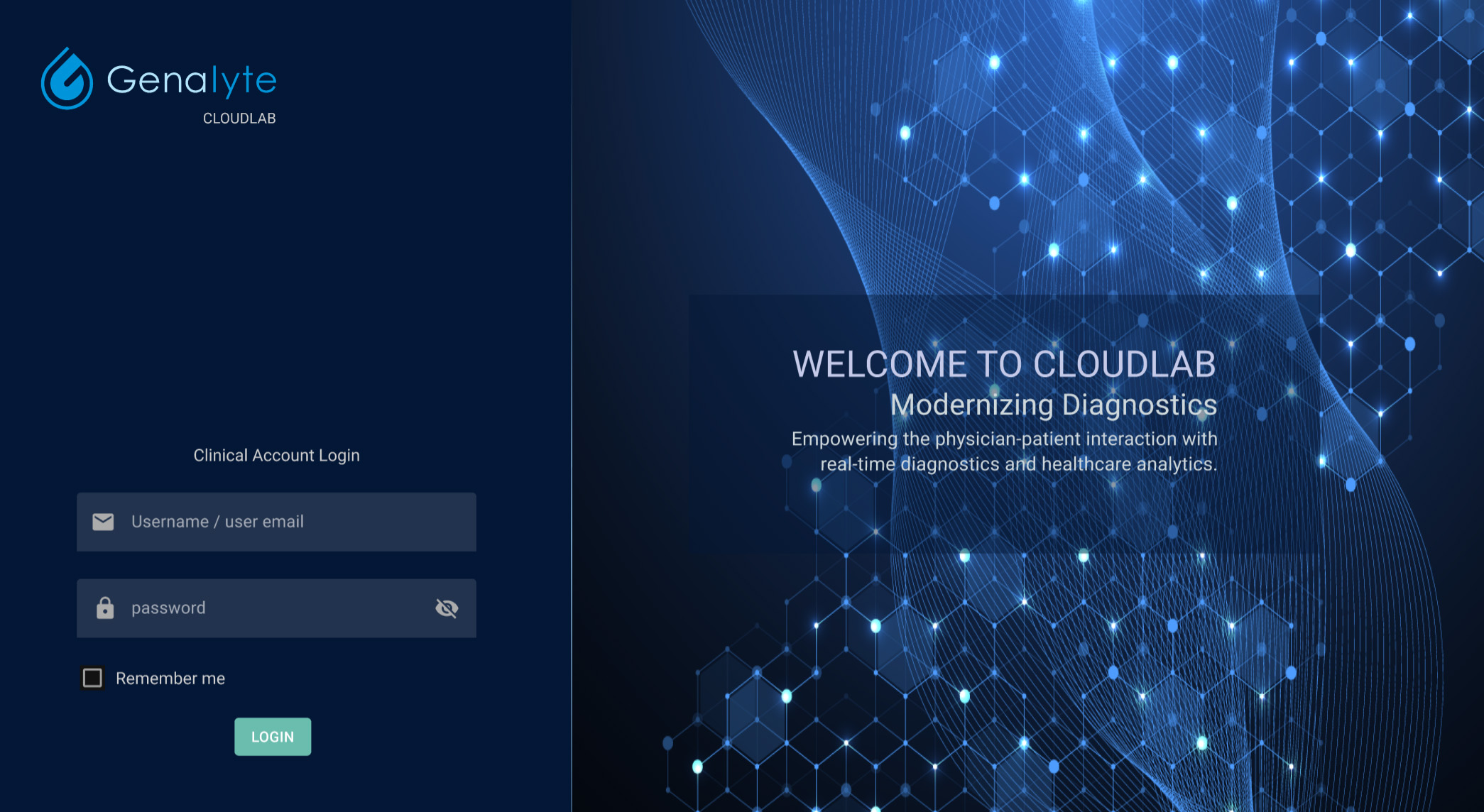
Traditional diagnostics batch samples, ship them, queue them and report days later. Every hop adds delay, cost and a chance for a patient to disappear from the care pathway.
Genalyte's instrument could produce results on site, but the software around it had to be trustworthy enough for clinicians and simple enough for a front-desk operator.
- , Clinical accuracy and regulated reporting requirements
- , Multiple products (Cloud-Lab, Merlin, Maverick, client portal, reports) sharing one language
- , Instrument hardware constraints driving software states
- , Mixed user base: clinicians, lab operators, patients
Process
01
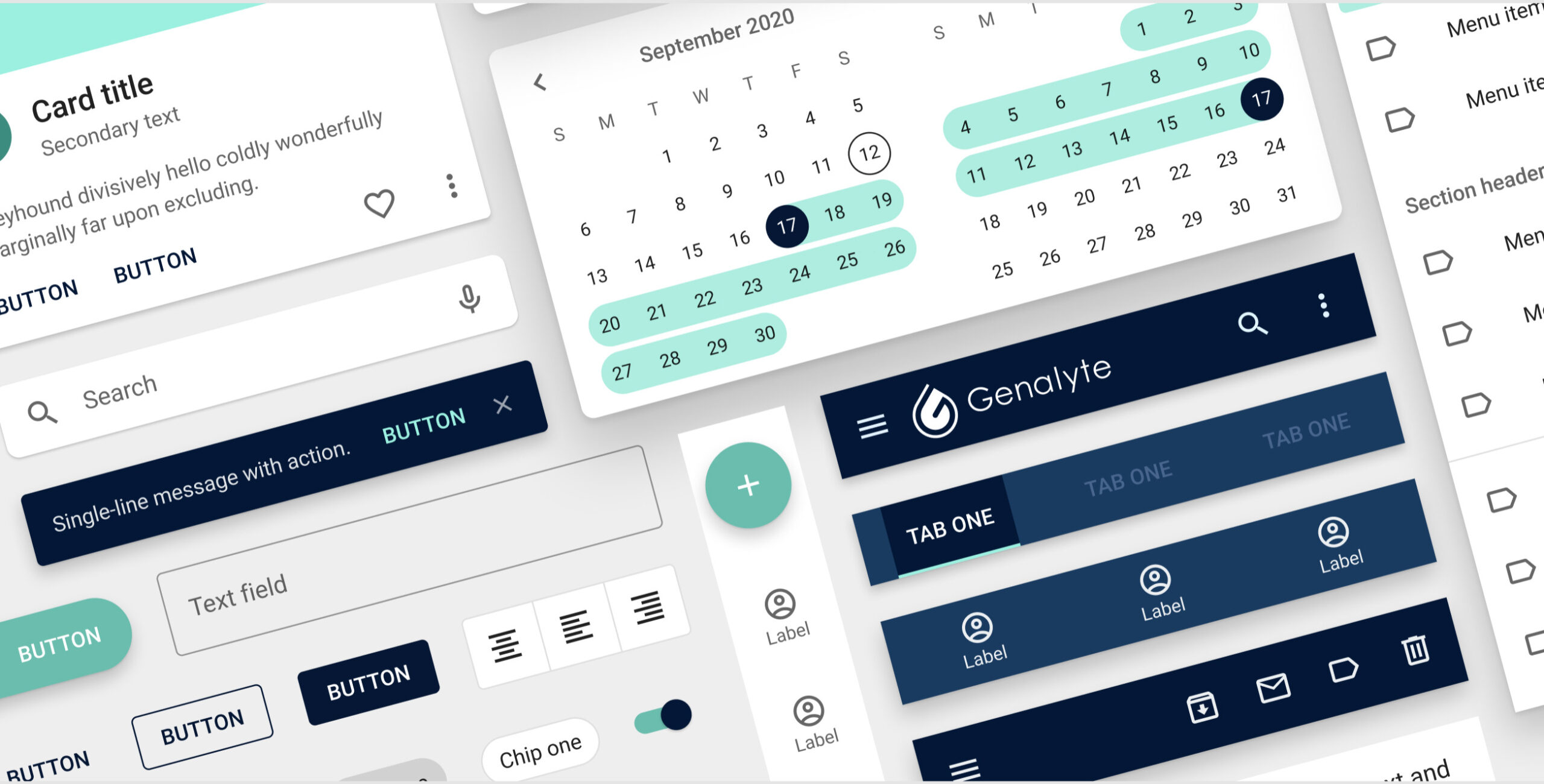
One design language across five products
Built a Figma design system and branding foundation the team continued pulling from long after each release.
02
Real-time result processing
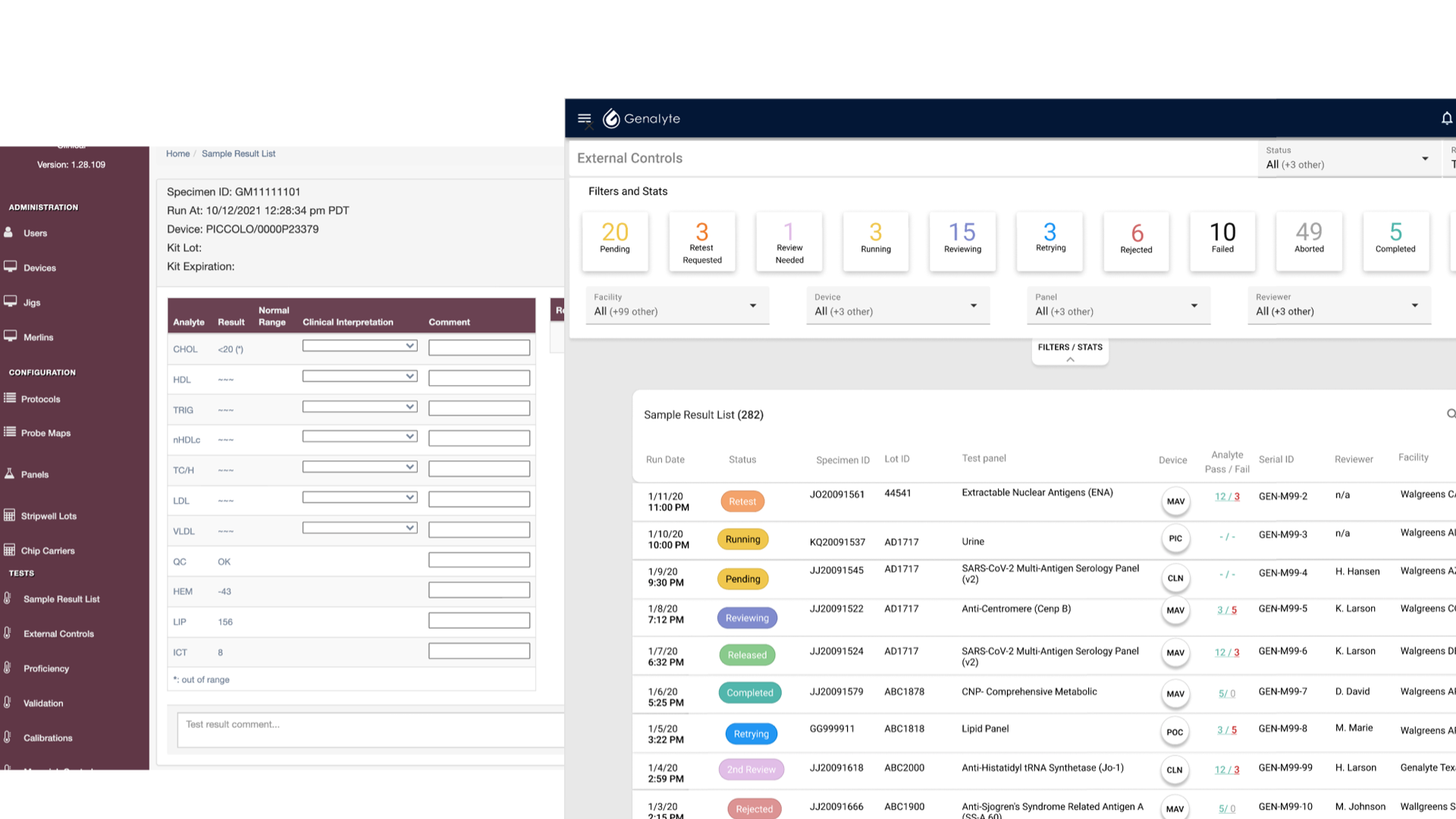
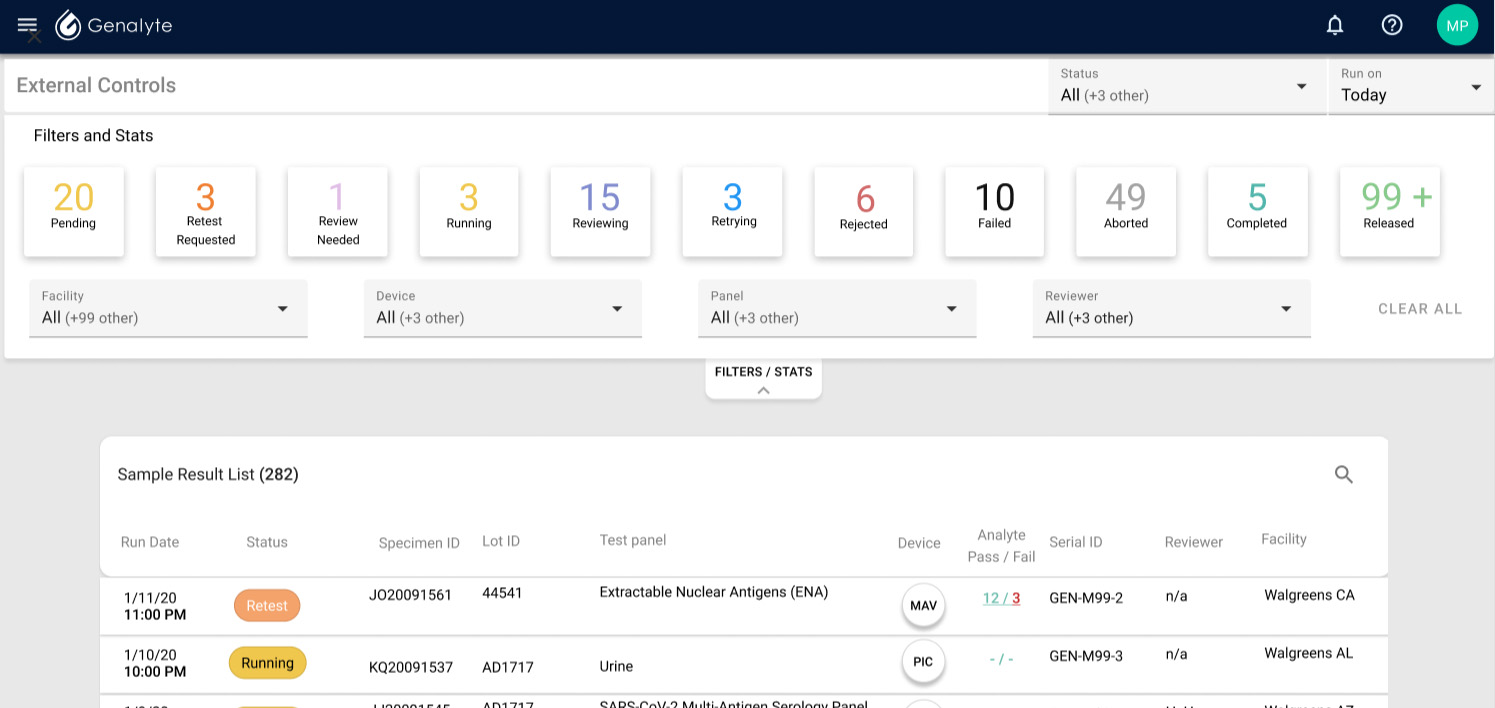
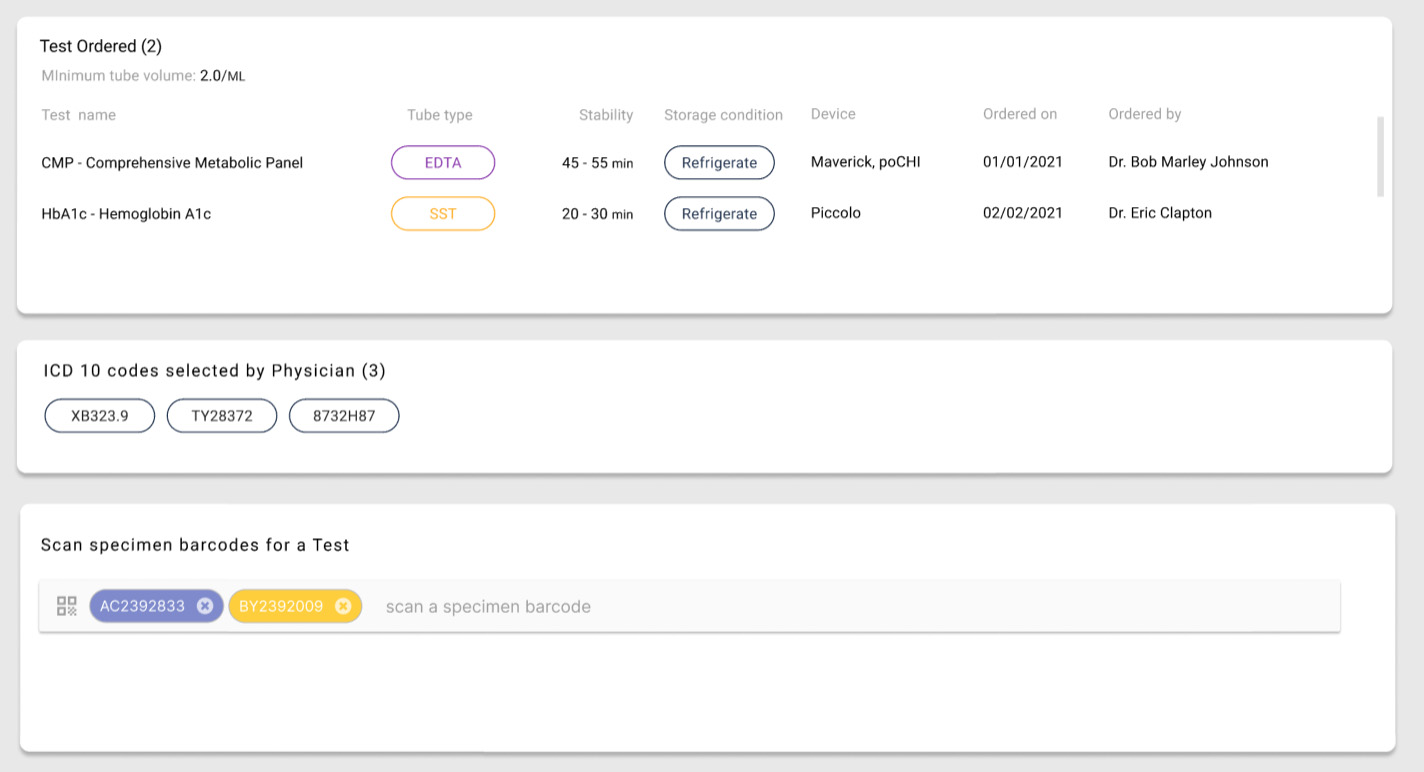
Cloud-Lab surfaces results as they process, with clear states for pending, flagged and complete, so nobody refreshes a page hoping for news.
03
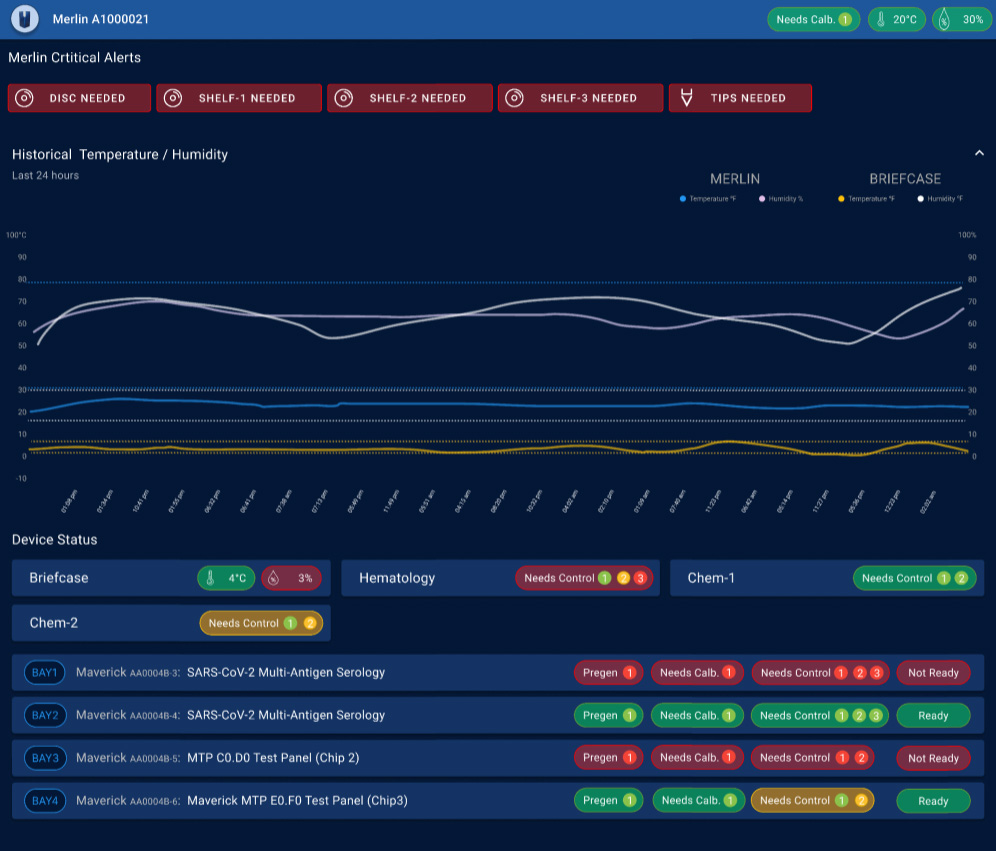
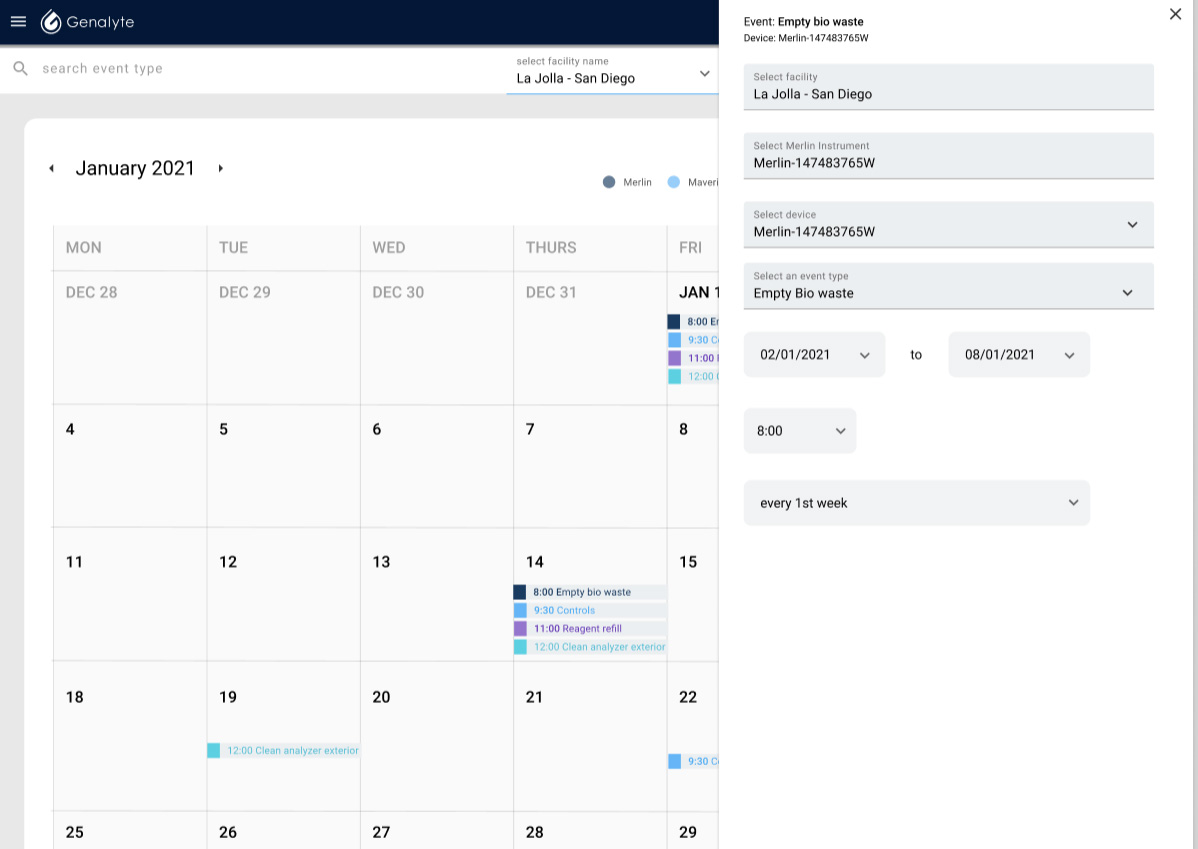
Merlin dashboard and management
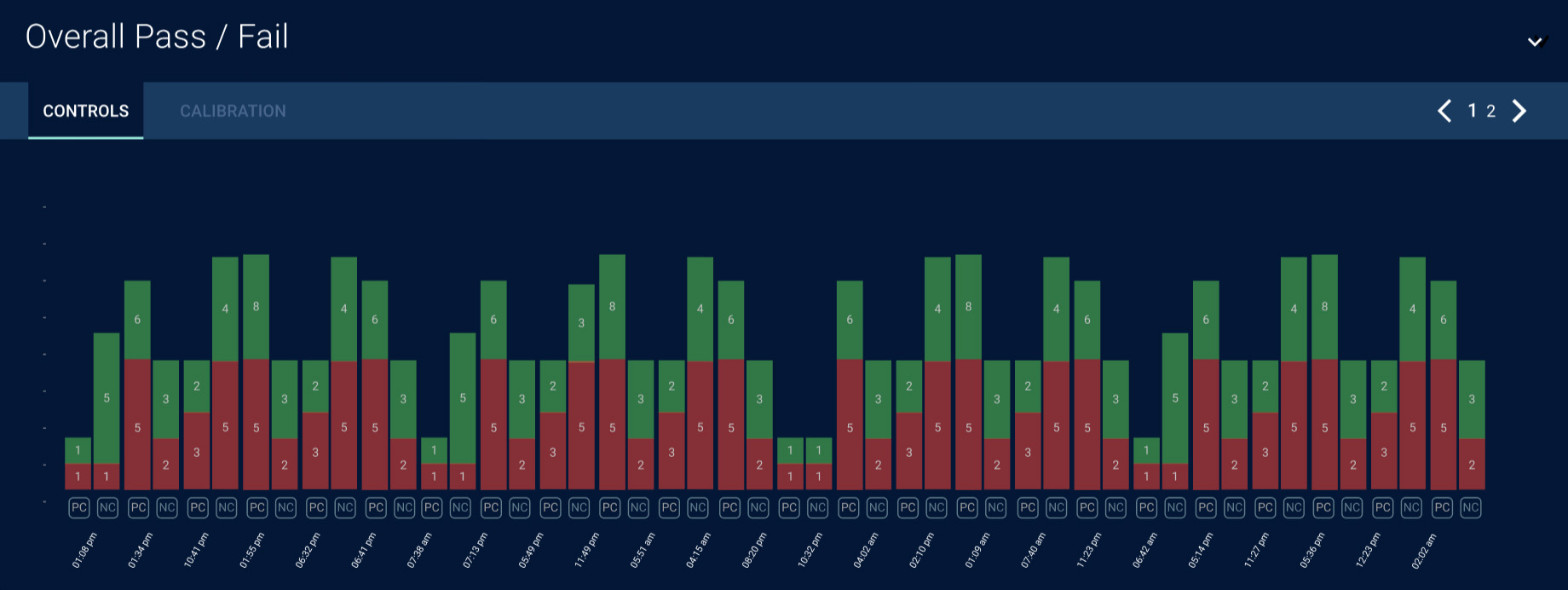
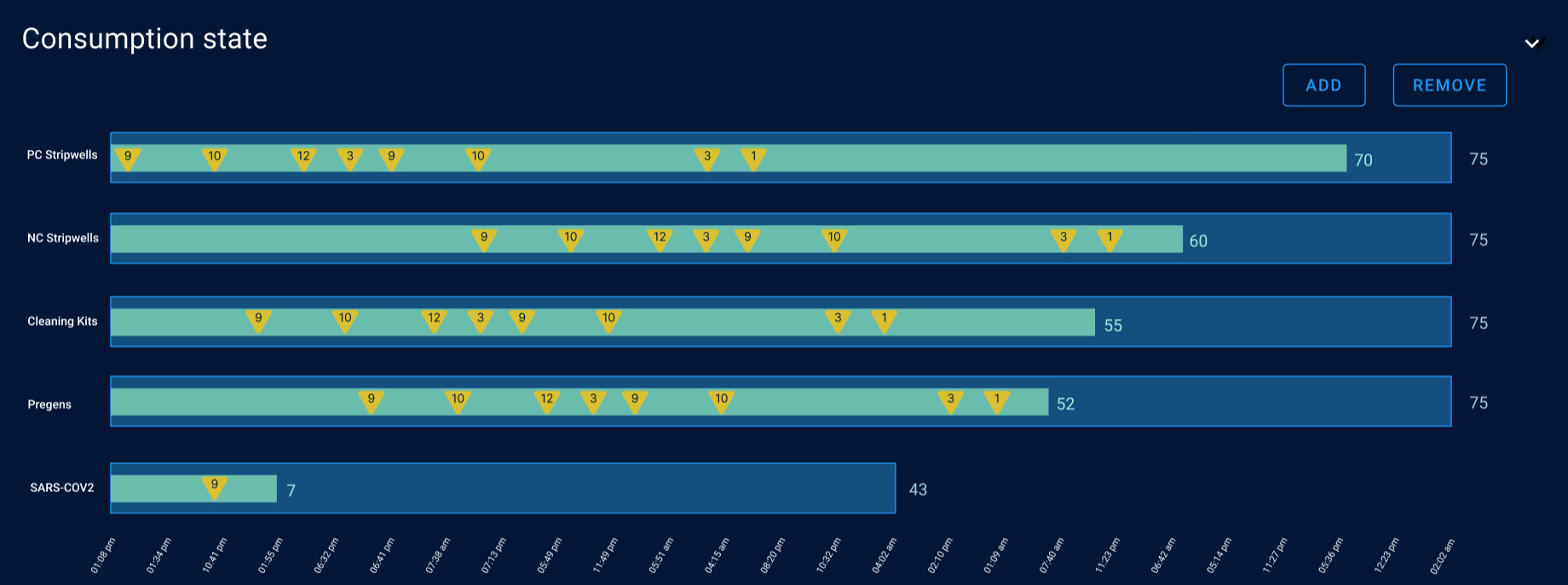
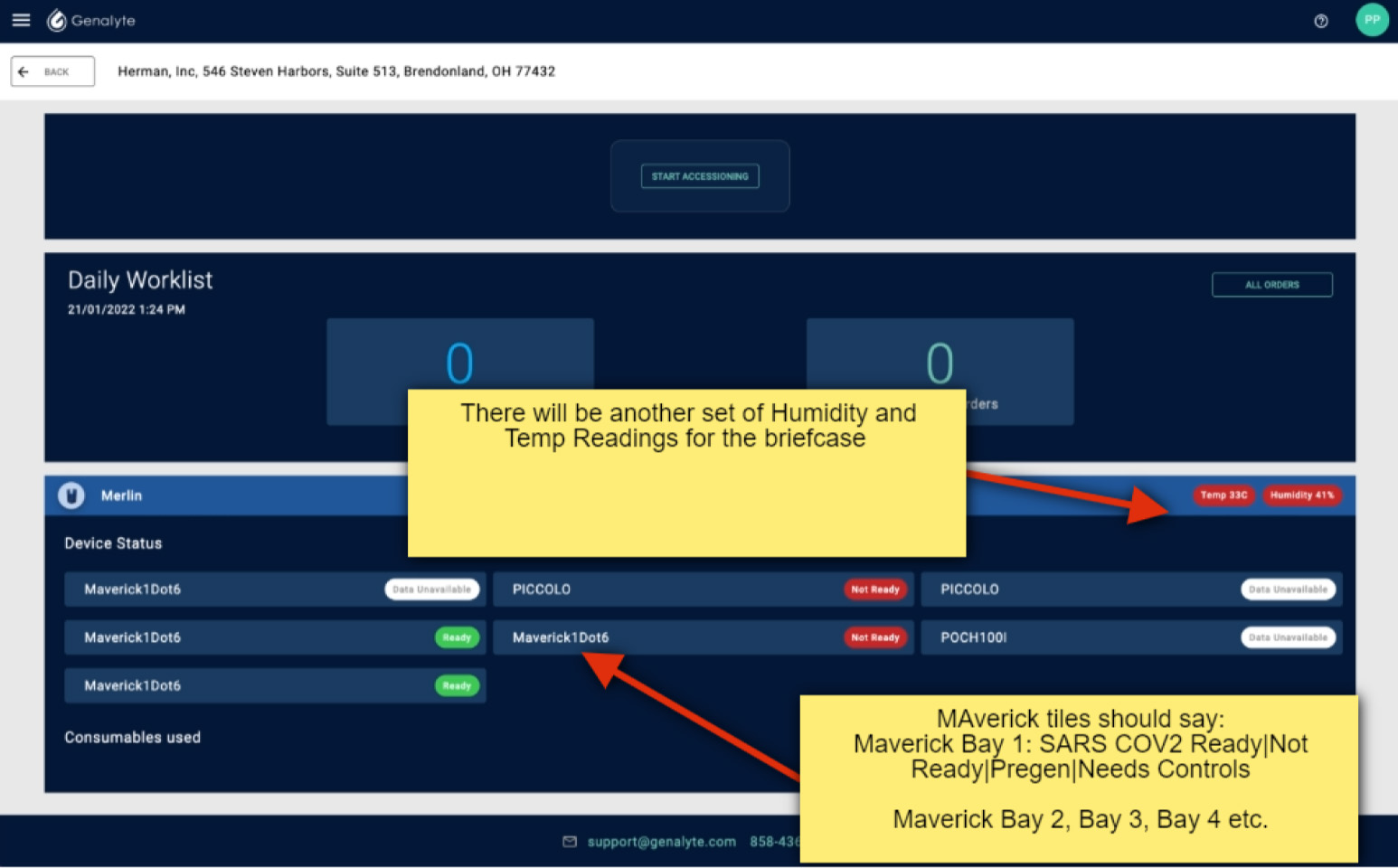
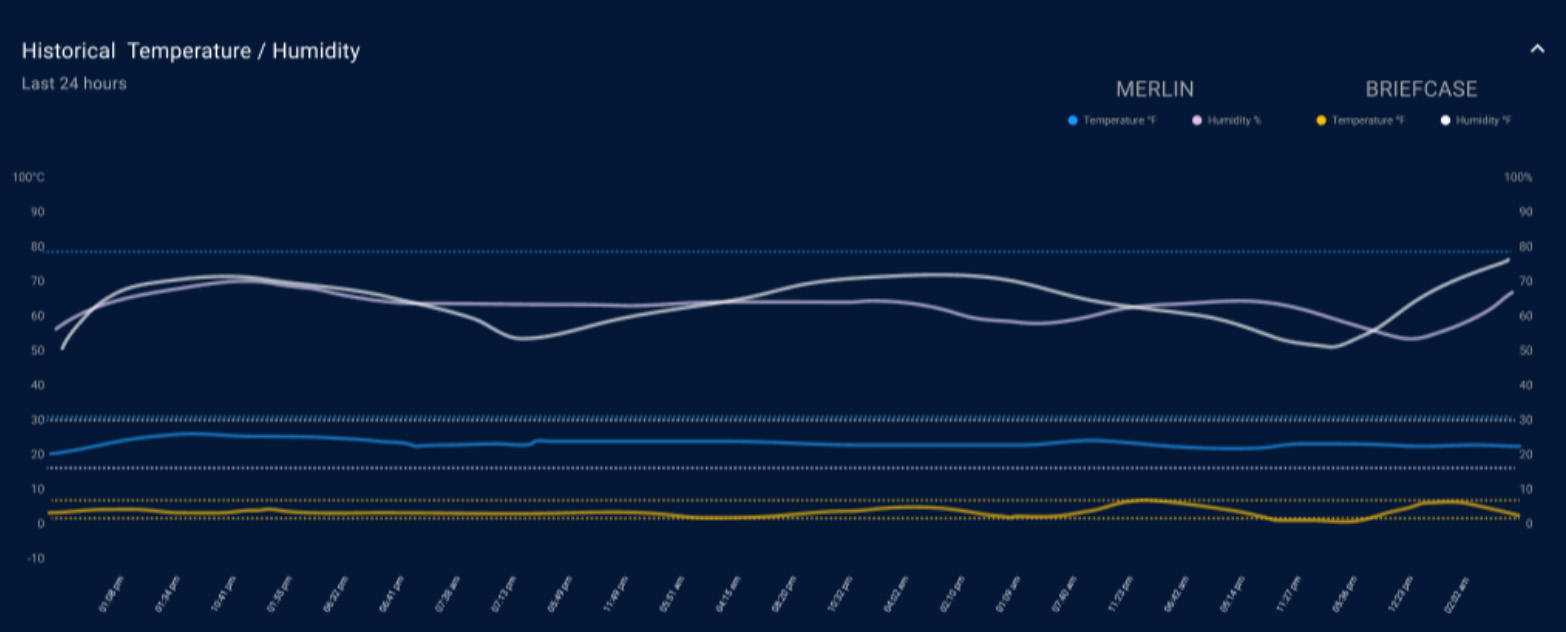
Operational visibility across runs, instruments and sites in one dashboard rather than per-instrument screens.
04
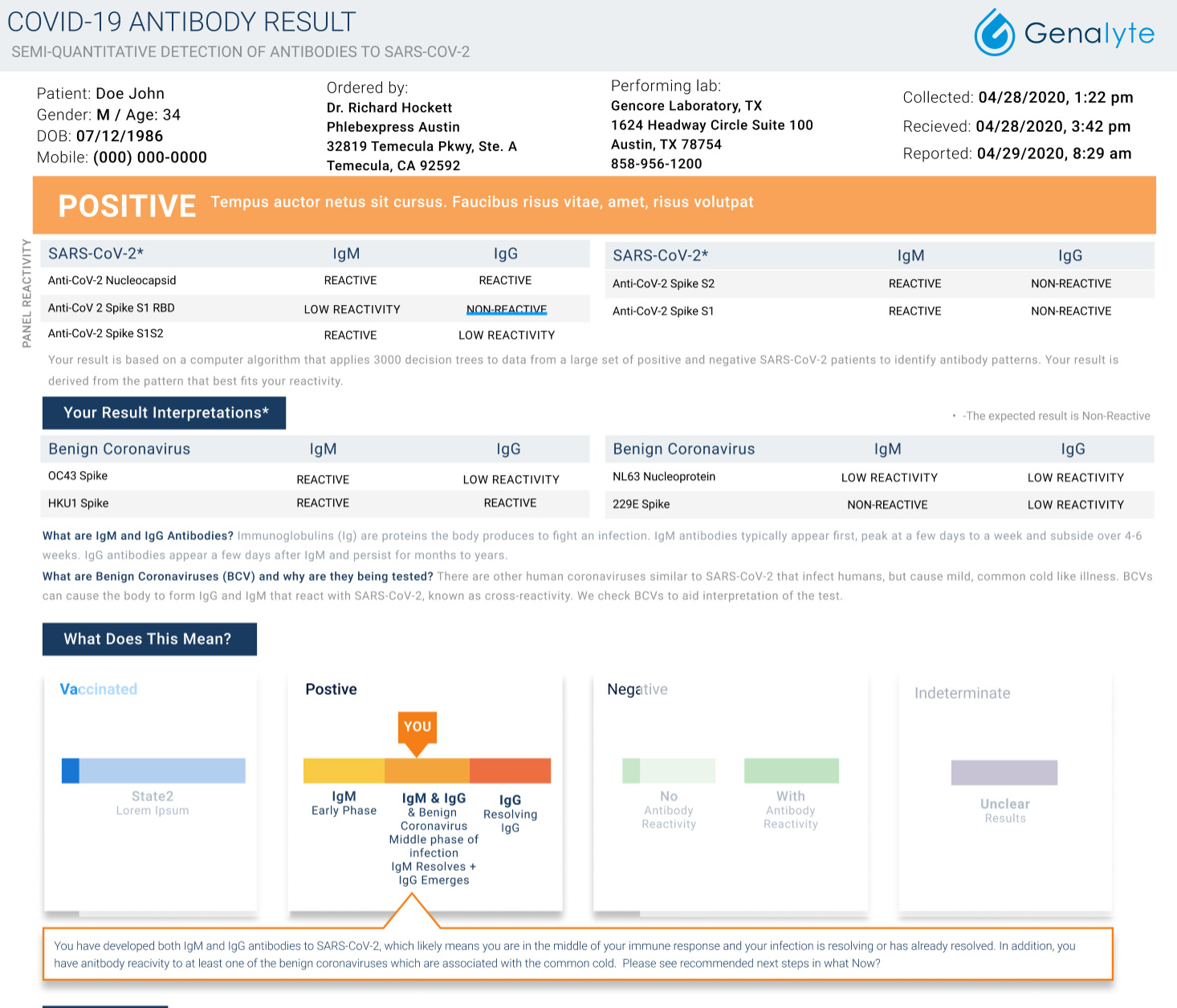
Reporting rebrand
Every clinical report redesigned for legibility, the artifact patients and physicians actually keep.
05
Client portal and Maverick
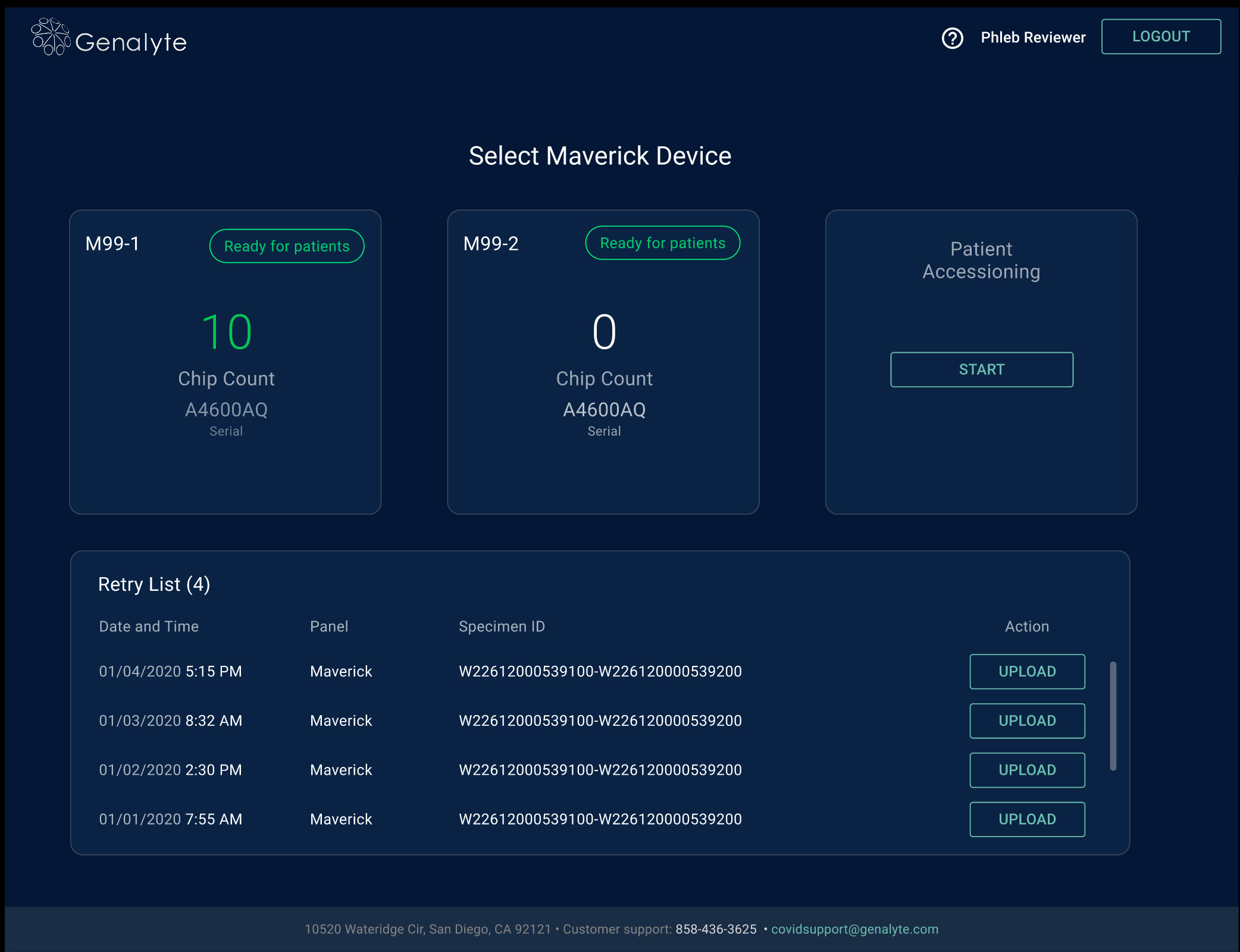
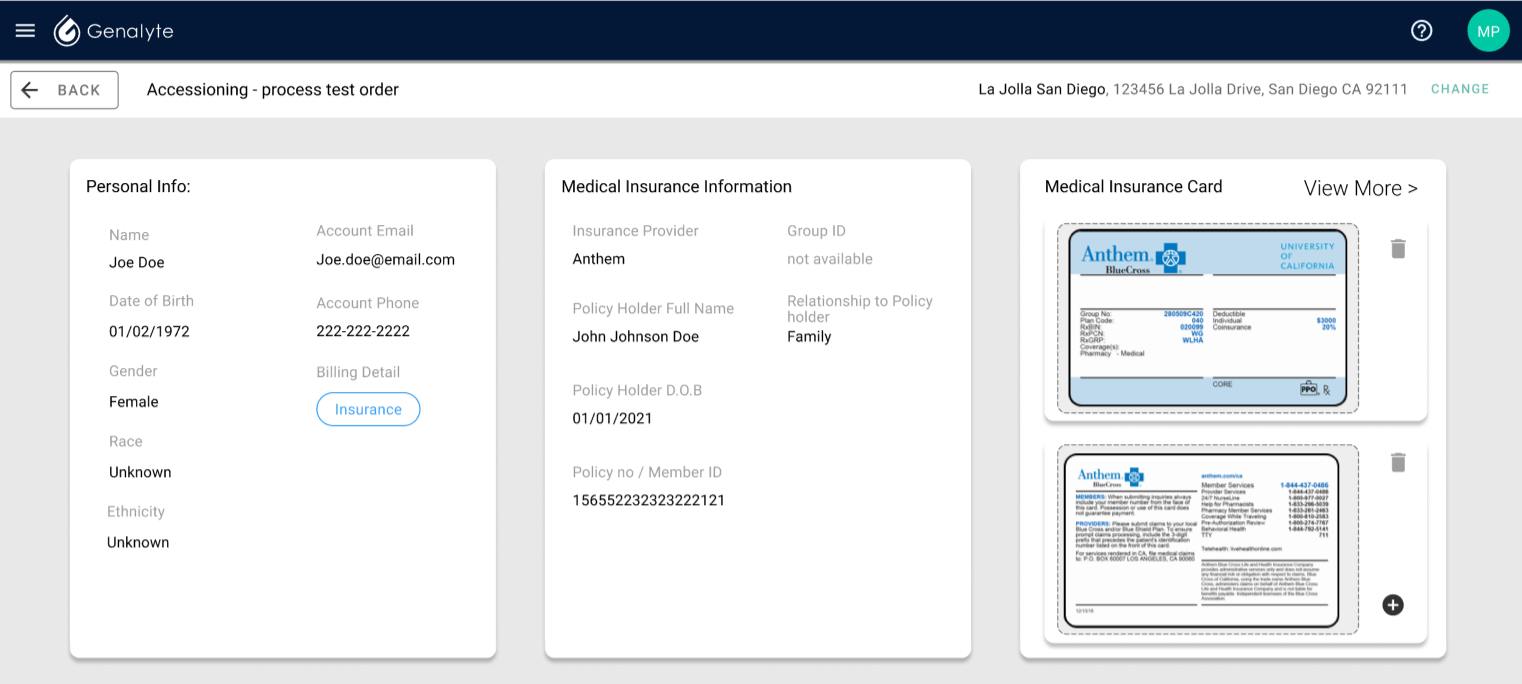
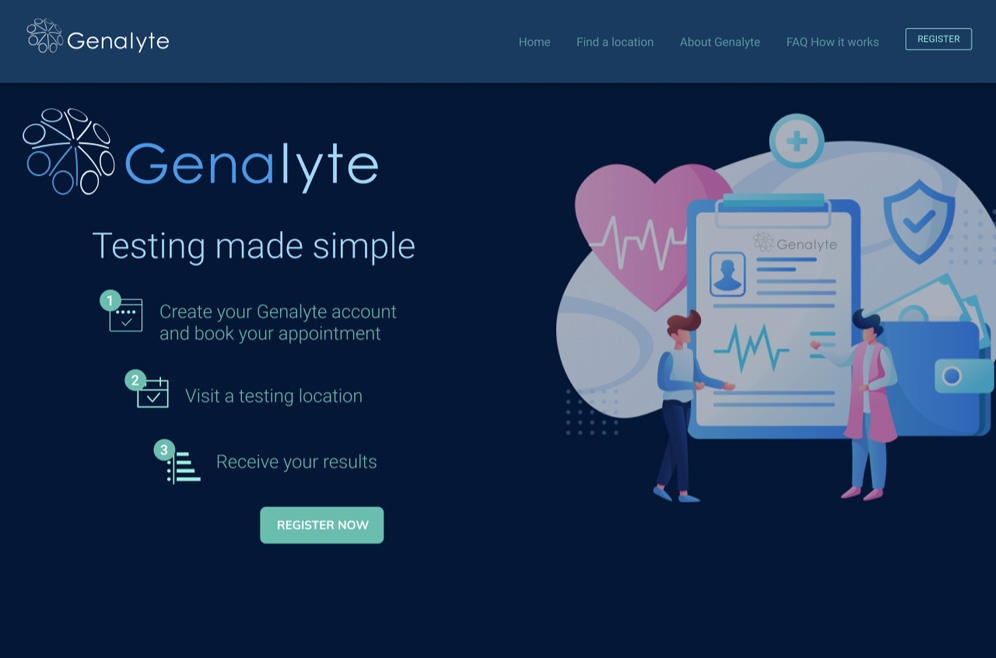
A patient-facing portal for registration, scheduling, reminders and results, alongside the Maverick diagnostic system.
Screens
Every screen and design artifact from this engagement.
Outcome
- Real time
- results at the point of care
- 5 products
- unified under one design system
- Award
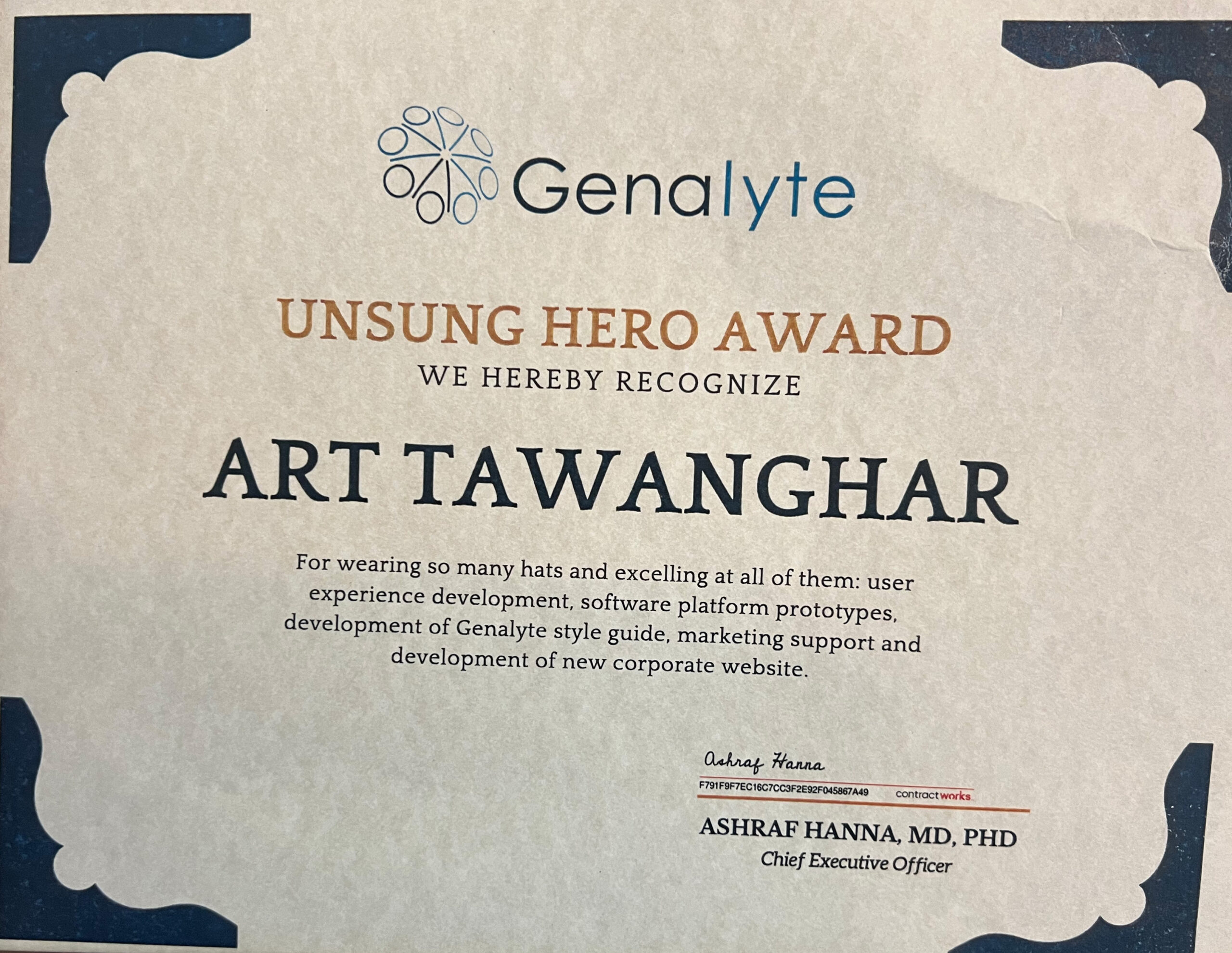
- recognized design leadership
What I'd do differently
I would have run more contextual research inside clinics earlier. The best decisions we made came from watching front-desk staff, and we started that too far into the program.
Visit the live product