Teradata · Data and cloud
Nebula: One-Pane Cloud Deployment
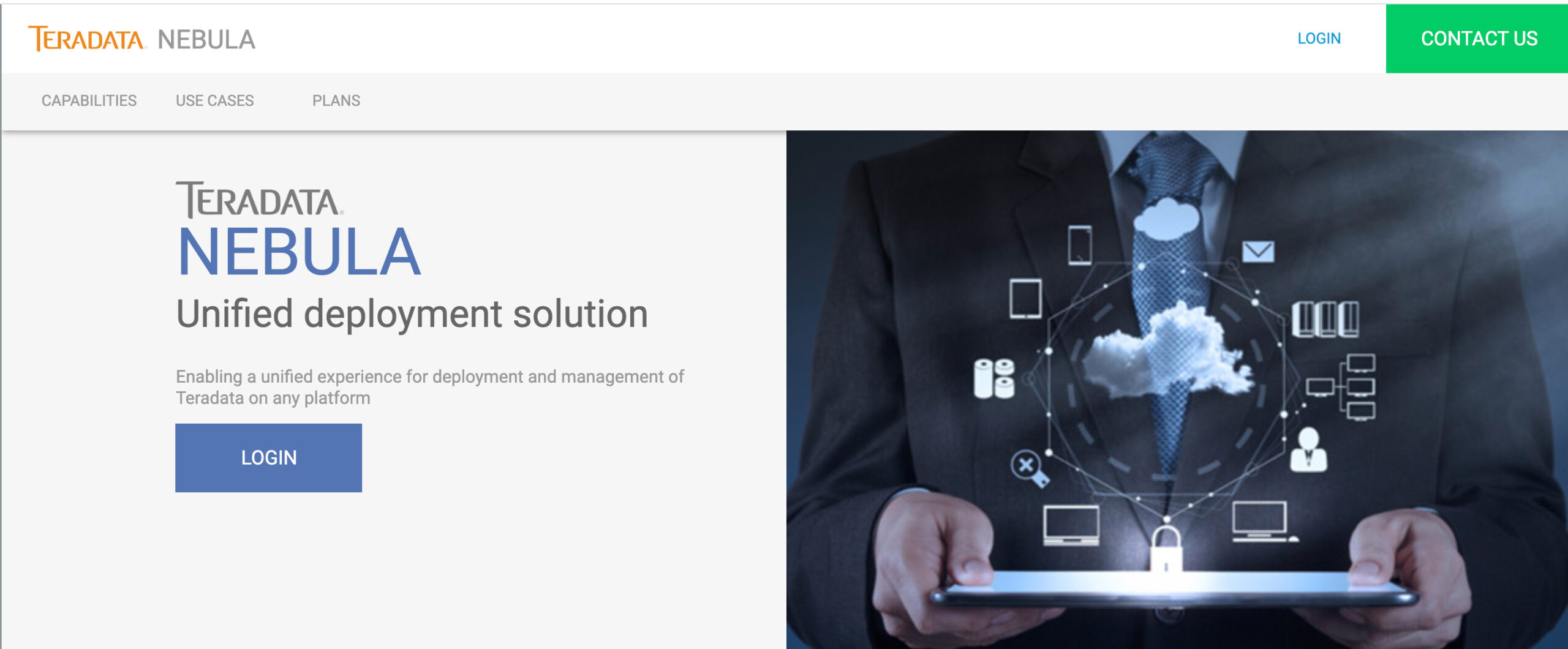
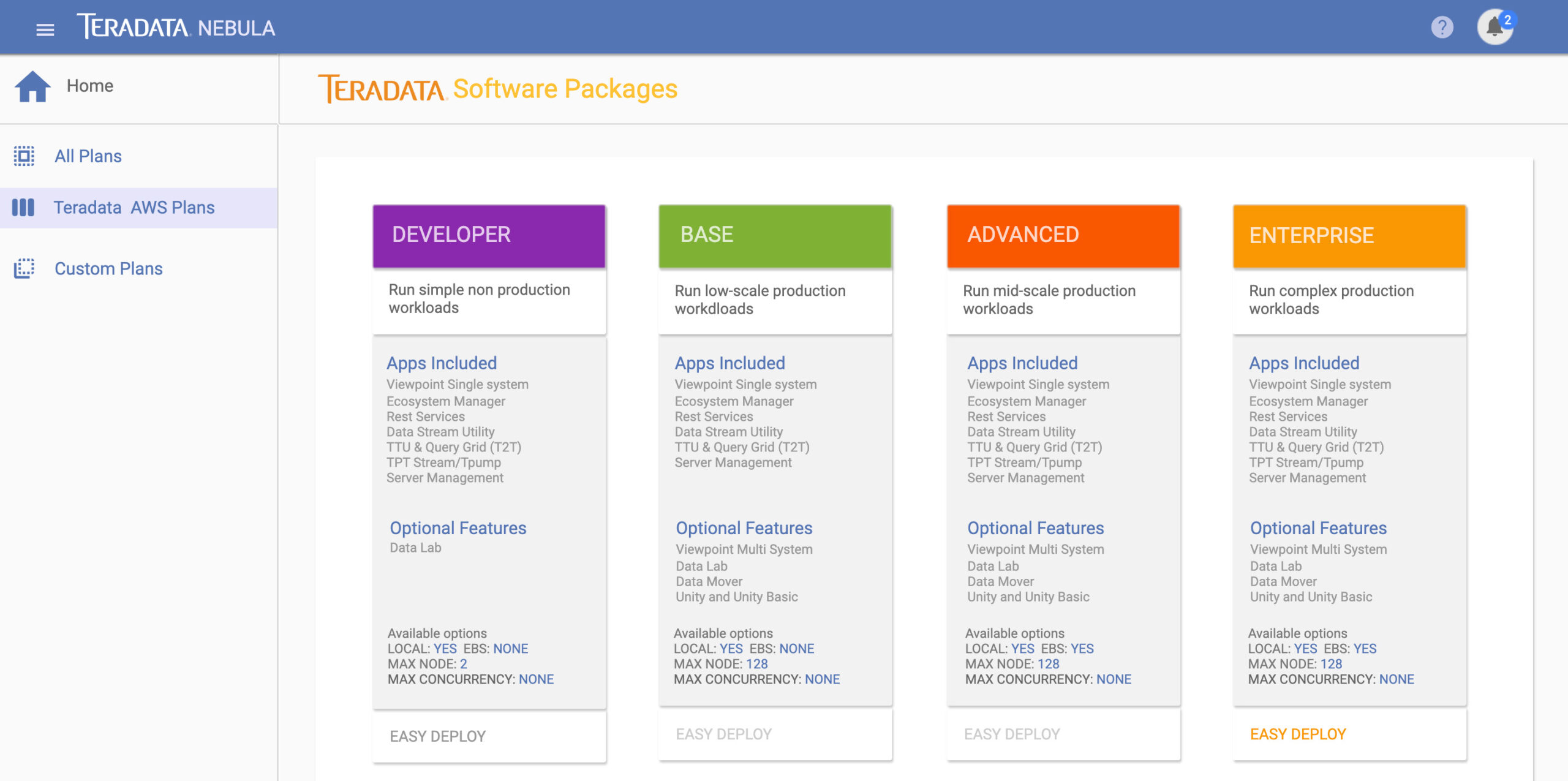
Nebula gave Teradata customers one interface for deploying and managing cloud services across AWS and Azure, built with Python, Angular 2 and MongoDB.
- Role
- Principal UI/UX Head of Design & Strategy Architect
- Timeline
- 1 year 2 months
- Team
- Multidisciplinary team plus external design agencies
The problem
Multi-cloud deployment forced administrators to translate between two provider mental models, two sets of terminology and two consoles, then reconcile them by hand.
Each provider also imposed its own compliance and presentation standards, which the product had to satisfy simultaneously.
- , Amazon and Microsoft marketplace compliance standards
- , Cross-platform usability across web and mobile
- , Many stakeholders and external agencies to align
- , Heterogeneous technology stack to unify visually
Process
01
Provider-neutral vocabulary
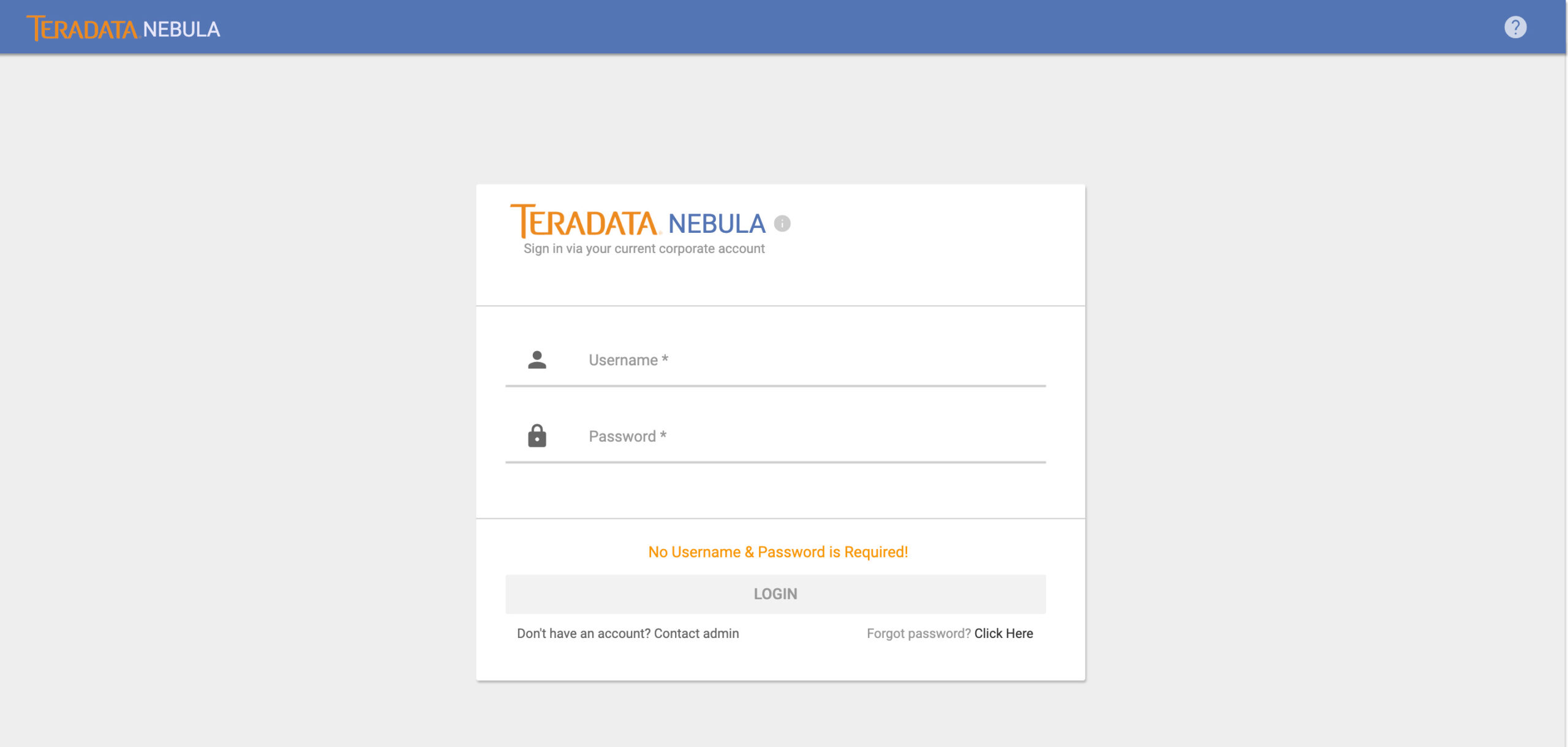
Defined one deployment vocabulary that maps cleanly onto both AWS and Azure concepts, so users learn Nebula once instead of learning two clouds.
02
UX roadmap tied to business goals
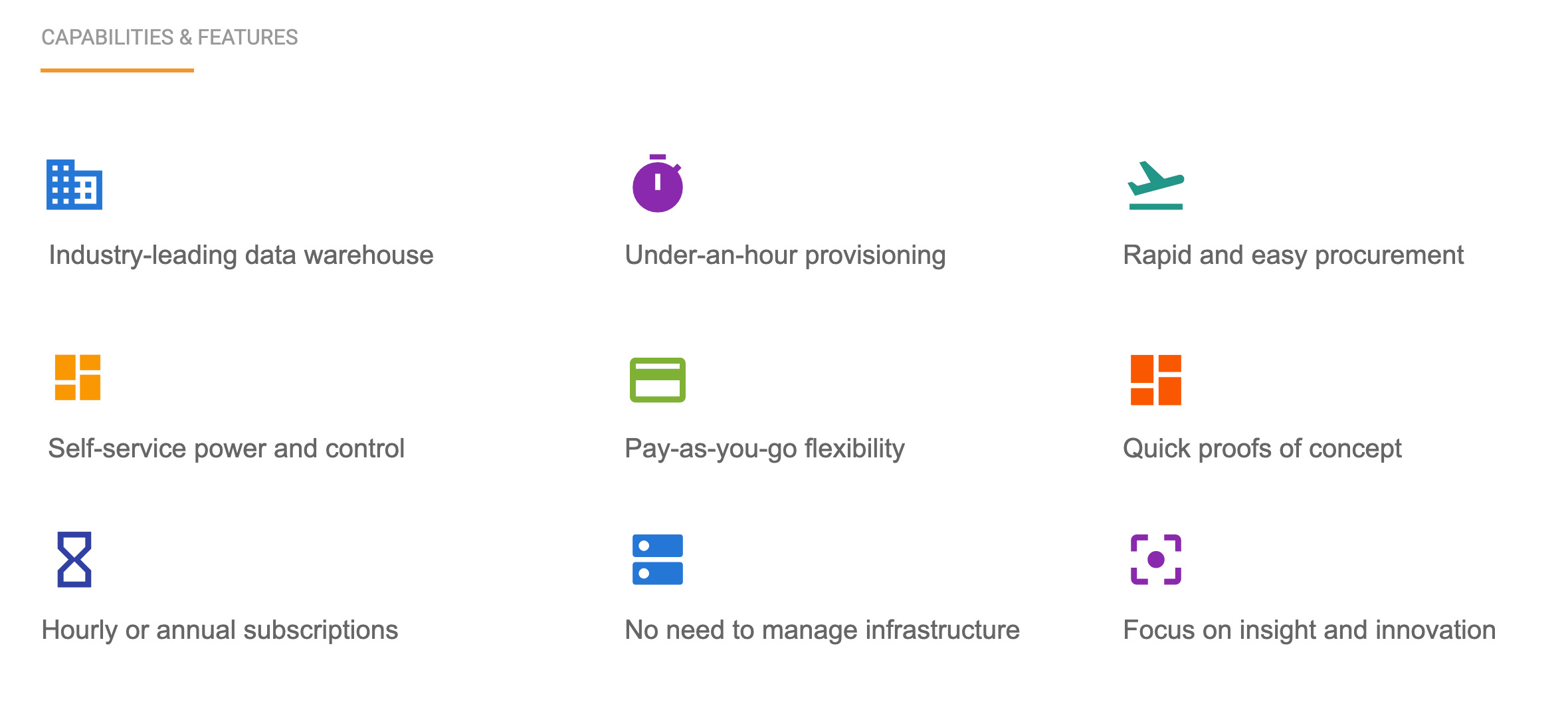
Laid out a phased roadmap so design decisions could be defended against revenue and adoption targets, not preference.
03
Usability and A/B testing
Comprehensive testing cycles on deployment flows, with compliance review folded into the same loop.
04
Responsive by requirement
Administrators monitor deployments away from their desks; the monitoring surfaces were designed mobile-first.
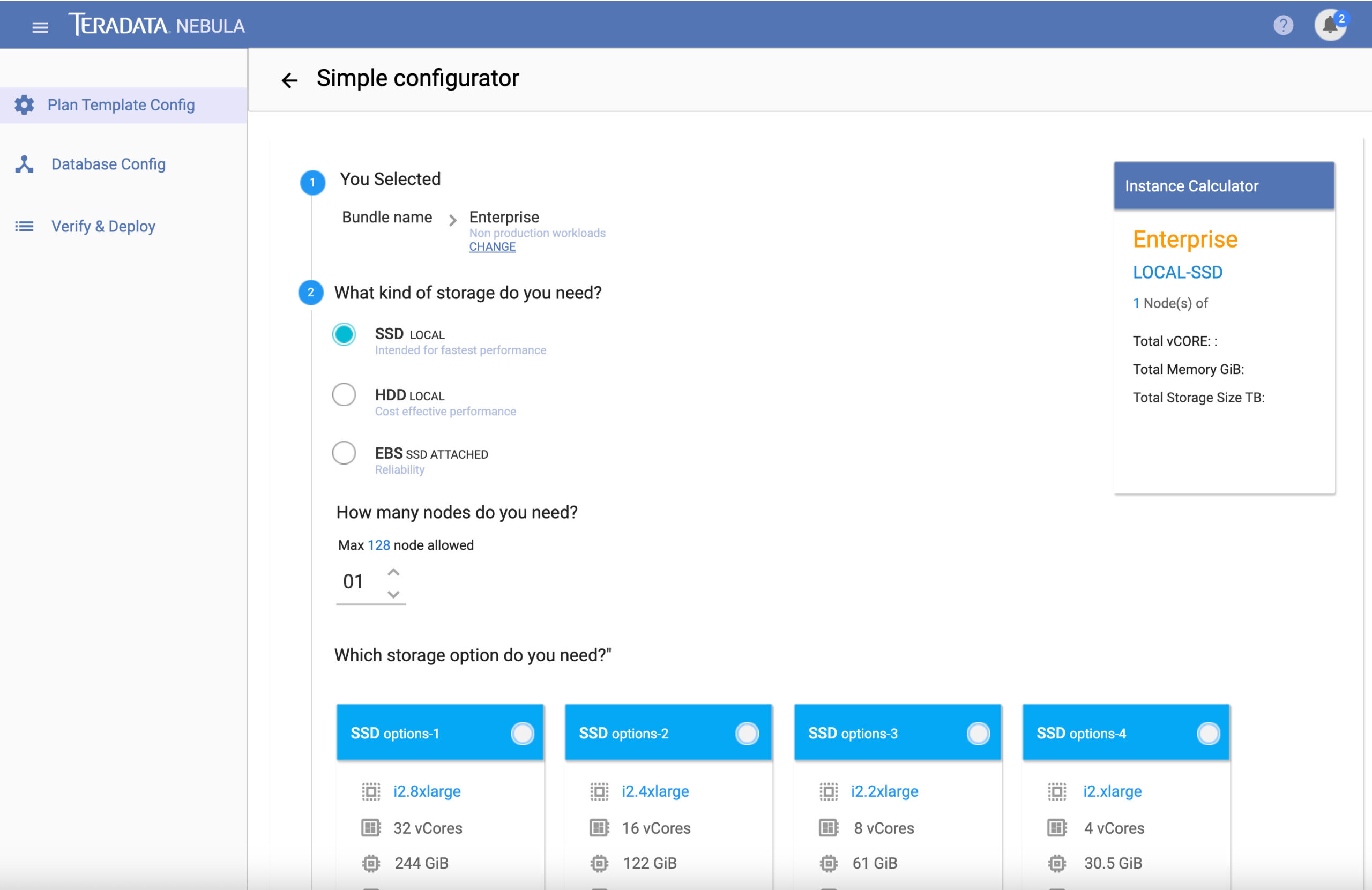
Screens
Every screen and design artifact from this engagement.
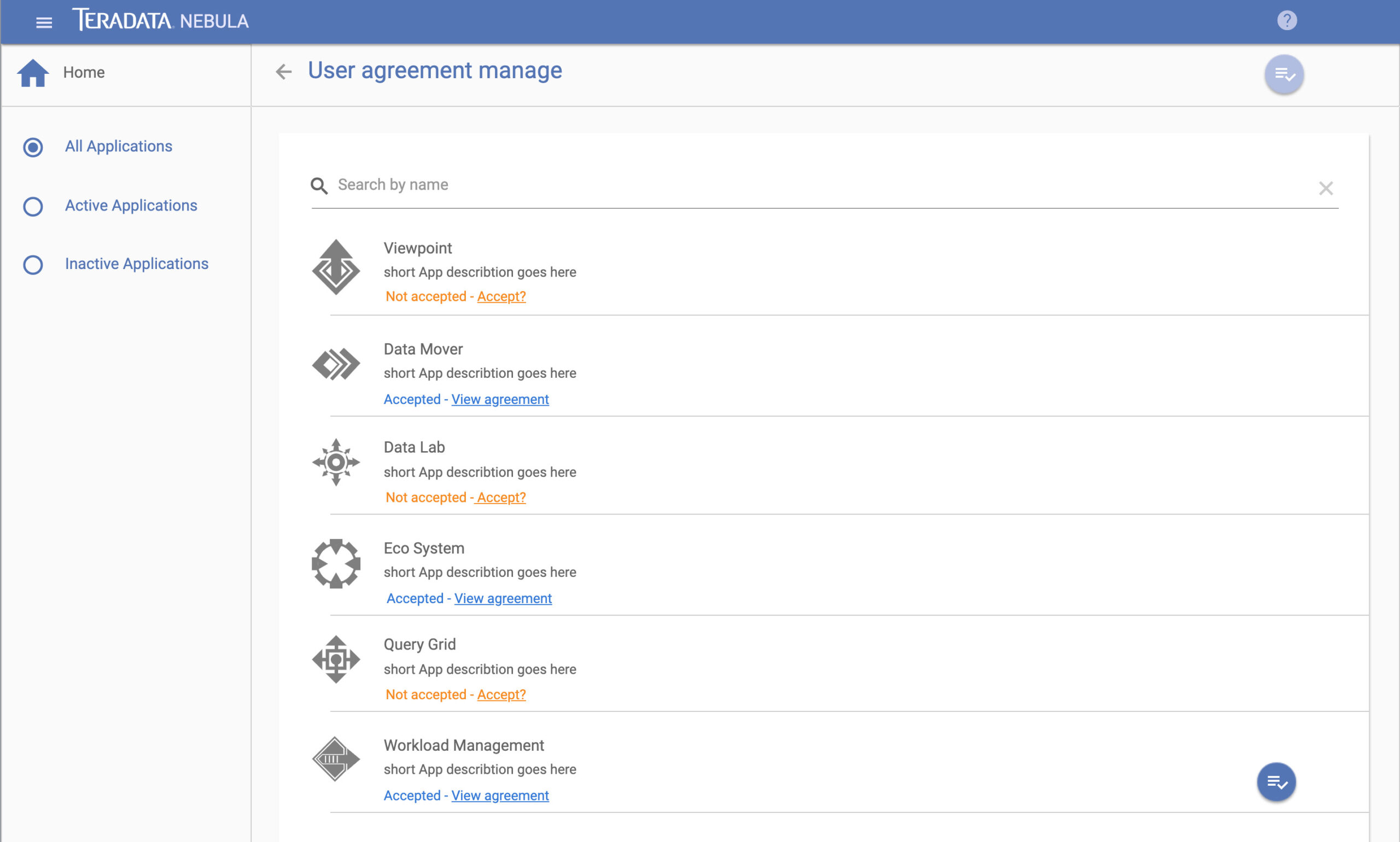
Outcome
- 2 clouds
- managed from one pane
- Compliant
- with AWS and Azure standards
- 14 months
- concept to validated platform
What I'd do differently
I would have pushed for a shared component contract with engineering at the start. Angular 2 was moving fast, and a firmer contract would have saved several rebuilds.
Visit the live product