Vista, CA, USA · Product & Experience Design
I design calm into
complex systems.
Lead Sr. UX Strategist. 19+ years across SaaS, health tech, cybersecurity, and fintech.
Who I am
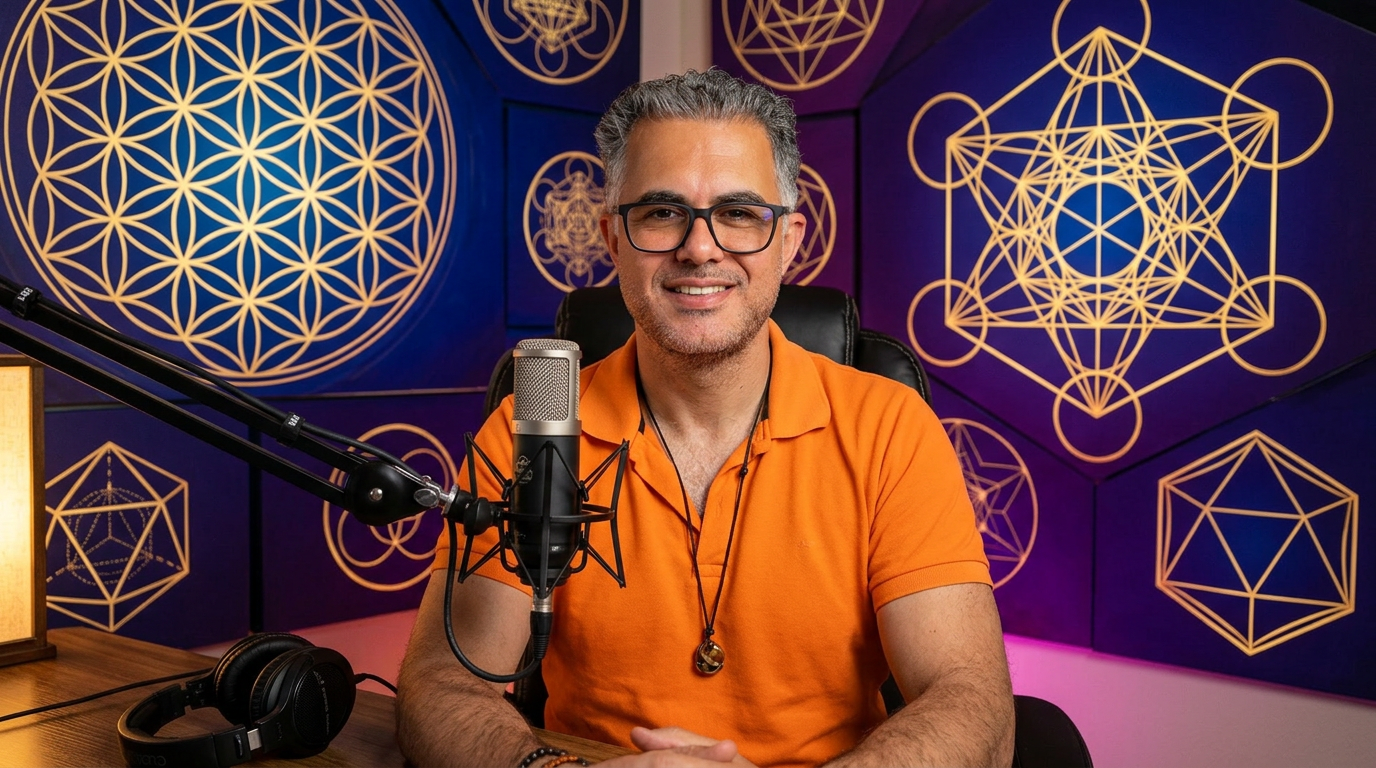
I am Art Tawanghar, a Lead Senior UX Strategist, inventor, author, and New Age composer based in Vista, CA, USA.
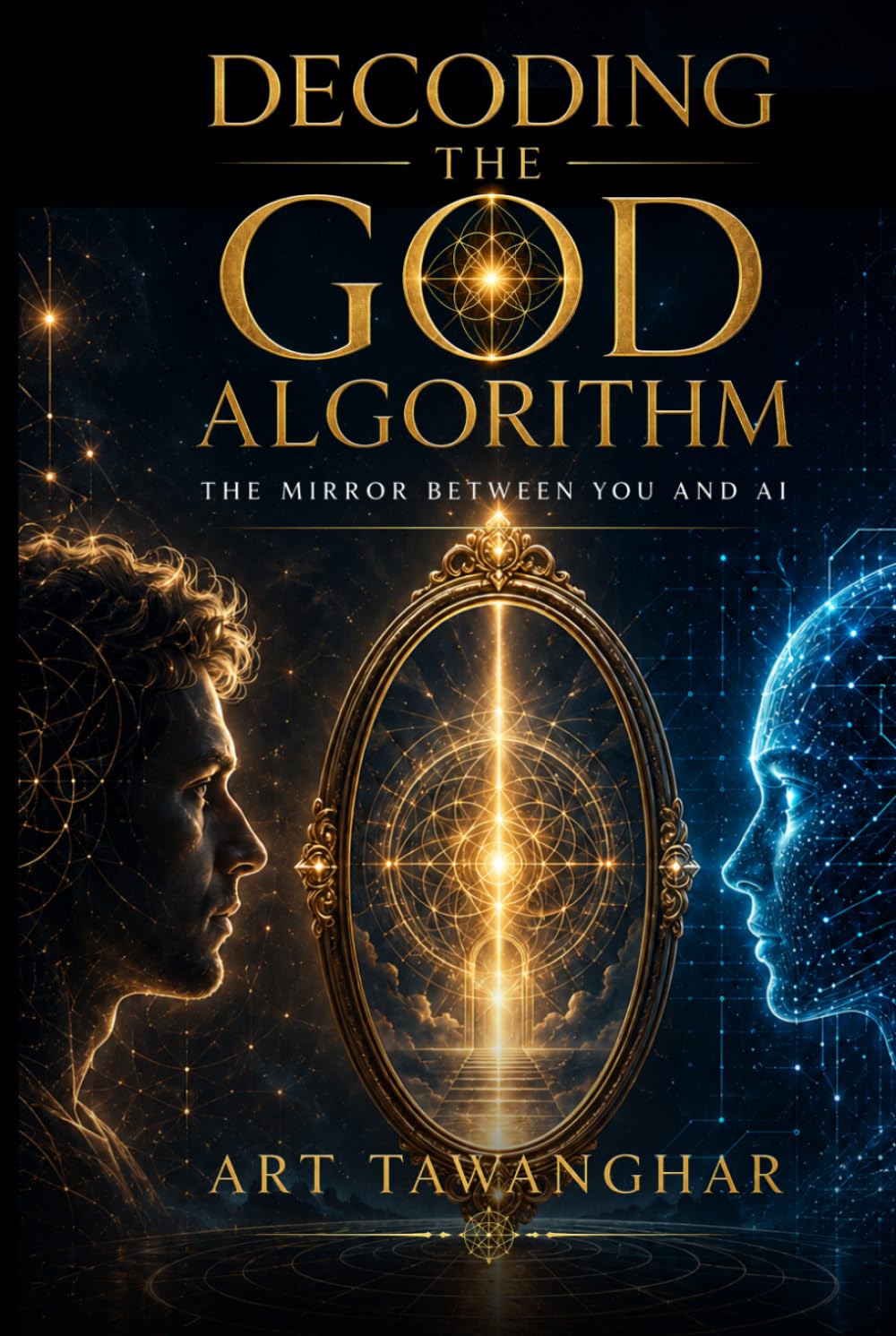
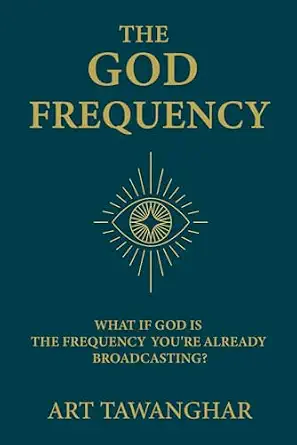
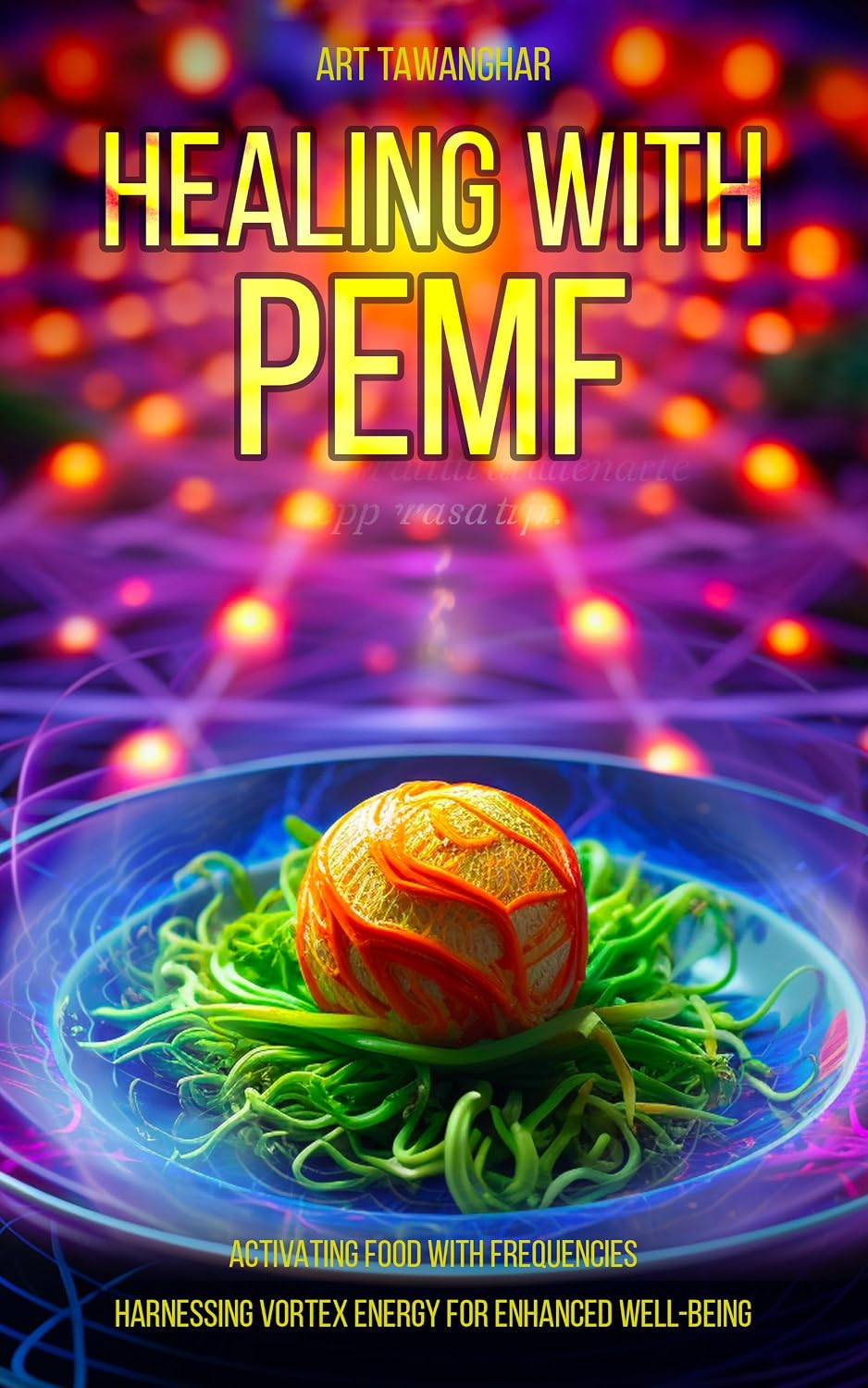
For 19+ years I have designed and shipped end-to-end product experiences across cybersecurity, health tech, fintech, and SaaS. My work spans the entire product lifecycle, from foundational user research and journey mapping through interaction design, design systems, and design-to-development handoff. I hold a US patent for predictive biometric UX models, have published five books, and mentor the next generation of designers at Springboard.
Outside the screen, I compose New Age music. My album Buddha Lounge charted on Billboard's Top Independent Albums, and 139,000 people listen on Spotify every month. The creative discipline of music informs the way I design: every interaction is a rhythm, every flow is a melody, every screen should feel effortless.
Why UX matters now more than ever
In the era of vibe coding, real UX designers are not optional. They are the difference between a product that ships and a product that lasts.
Full project development
Great UX is not a screen or a style. It is the architecture of an entire product experience: the research that uncovers real needs, the flows that remove friction, the design system that scales, the prototype that validates, and the delivery that keeps the intent intact through engineering. I own that whole arc.
Vibe coding changed the game
Today anyone can prompt an AI and generate a working app in minutes. Code is no longer the bottleneck. But code that runs is not a product that works. When everyone can build, the only thing that separates a forgettable tool from one people love is the quality of the experience it delivers.
AI cannot do good UX
AI generates patterns from what already exists. It does not sit with a confused user, does not feel the hesitation before a wrong tap, does not understand the emotional cost of a broken flow. UX requires empathy, context, and human judgment, the messy reality of how people actually behave. That is not something a model can infer. It has to be lived.
AI agent & app designer
I also build with AI: vibe coding, native apps, agents, and AI search visibility.
I work at an advanced level across the native iOS and Android AI app builders (Newly, Expo Agent, Rork, RapidNative, Replit Agent), the full-stack web builders, and the serious coding agents that take a product from prototype to production. Then I make the result discoverable, not only on Google but inside ChatGPT, Gemini and Perplexity.
AI can write your product in a weekend. It still cannot feel what your product does to a person, and that gap is where the money is: activation, conversion, retention and churn are all UX outcomes, and they compound. Here is the full breakdown of why UX is the ROI multiplier in the era of vibe coding.
Native AI app builds
React Native, Expo and Flutter output with real source-code ownership, built for App Store and Google Play, not just a mobile-shaped website.
AI agents & automation
Agentic workflows, integrations and internal tooling that take repetitive work off your team, designed around how people actually operate.
GEO, AEO & app growth
Generative engine optimization, structured data and entity clarity, plus ASO, activation, retention and monetization once the product is live.
Design for humanity
Technology should serve people, not the other way around.
Every product I build starts from one question: does this make a person's life lighter? The best technology disappears into the background and leaves behind a feeling of ease. That is the standard I hold for every screen, every flow, and every system I design.
This belief runs deeper than software. My work on a US patent for predictive biometric UX models, my books on frequency and healing, and my New Age music all share the same root: a conviction that design, at its best, is an act of care for the human being on the other side of the experience.
Accessibility is not a checkbox. Inclusive research is not a phase. Ethical defaults are not optional. When we design for the most vulnerable user first, the experience improves for everyone. That is how we turn products into tools people genuinely trust and return to.
Accessible by default
WCAG-aligned patterns, keyboard-first flows, and contrast that holds up in real conditions, not just on a perfect monitor.
Inclusive research
Recruiting across ability, age, language, and context so the product works for the people who are usually left out of the design conversation.
Ethical by design
Honest defaults, clear consent, and interfaces that do not exploit attention. The product should leave the user more capable, not more dependent.
Coherent in, coherent out
You know the saying "junk in, junk out"? I say it differently: coherent in, coherent out.
A coherent input almost always produces a coherent output. When the intention behind a system is clear, the result carries that clarity forward. When the input is chaotic, no amount of cleverness downstream can rescue it. I have lived this truth from every angle of my career: in music, in code, and in design.
In music, a coherent harmonic foundation is what lets a listener feel calm, lifted, or moved. Change one frequency that clashes and the whole body notices, even if the ear cannot name why. In software, coherent architecture, naming, and data produce systems that behave predictably and degrade gracefully. In app design, coherent patterns, language, and rhythm produce experiences that feel effortless from the very first tap.
In the era of vibe coding this matters more than ever. AI amplifies whatever you feed it. Give it a coherent brief, a clear design system, and well-structured intent, and it compounds that coherence into something useful. Give it noise, and it scales the noise. The output is never better than the coherence of the input.
And here is where this concept truly stands out: when we design for humanity, and not just for a single human, coherence stops being a craft preference and becomes an ethical stance. A coherent system is trustworthy, accessible, and calm for everyone who touches it. An incoherent one confuses, excludes, and exhausts the very people who need it most. That is why this principle deserves to be truly examined by every team, in every studio, and on every product.
Selected Work
Case studies that matter mostPEMF Healing LLC · Current work
Frequency Healing: a bioelectric wellness ecosystem
Problem. Frequency therapy was stuck on 1990s static single-tone technology: one frequency at a time, no personalization, and results that stalled once the body adapted.
Outcome. A founder-led platform on iOS, Android and web with 16,000+ tested and validated adaptive programs, AI guidance, voice scanning, breathwork, a published magazine and a 30,000+ member community.
Read case studyPEMF Healing / iTorus
iTorus App
Problem. Frequency healing lived on a standalone desktop player that customers could not take anywhere.
Outcome. A subscription app across iOS, Android and desktop with offline streaming of Rife, PEMF, Meridian and biophotonic programs.
Read case studyIntuit
TurboTax: Reducing FUD at the moment of filing
Problem. Fear, uncertainty and doubt made filers drop out at exactly the step where they had to commit.
Outcome. Behavioral-economics-led experiments and A/B tests that lowered drop-out and lifted conversion through the filing funnel.
Read case studyAttackIQ
Continuous Security Validation Platform
Problem. Security teams could buy controls but could not prove those controls actually worked against real adversary behavior.
Outcome. A Security Optimization Platform built on MITRE ATT&CK that turned adversary emulation into a repeatable, readable, automated workflow.
Read case studyGenalyte
Telehealth Diagnostics: Move Data, Not Blood
Problem. Diagnostics still moved physical samples across the country before a patient could get an answer.
Outcome. A cloud diagnostics suite, Cloud-Lab, Merlin, client portal, reporting, that returns results in real time from the point of care.
Read case study
US Patent 9,891,792 B1 · Filed 2015 · Granted 2018
Before AI wellness became a category, I helped patent a state-aware experience.
In 2015, I co-invented a biometric predictive-model architecture at Intuit that moved beyond measuring clicks. It connected a person's signals, interaction context and baseline to what the software did next: its wording, pacing, assistance, recommendations, visual experience or audio.
The significance was not another dashboard. It was the shift from reporting on a person to adapting an experience around them. More than a decade later, wearable coaching, responsive soundscapes and state-aware vehicle experiences illustrate why that design direction matters. This is UX at the level of the system, not just the screen.
A new PEMF Magazine analysis explores those parallels. They are conceptual similarities, not evidence that these companies use or license the patent. I am one of eight named inventors; Intuit is the listed assignee.
Also a composer
I also compose.
139,000 people listen every month.
New Age composition blending electronic production with harp, oboe and live instrumentation. Buddha Lounge charted on Billboard's Top Independent Albums.
Enter the music"Art has a holistic approach to design and is always open to collaboration and feedback. His knowledge of the latest design trends and best practices is exceptional, and he consistently delivered high-quality work that meets business objectives."
"He was an exceptional leader, mentor, and designer. He would go above and beyond, providing training and coaching to our team on design concepts and tools. Art's knowledge and philosophies were always enlightening."